

Essential Research Before Buying a Modular Home
Essential Research Before Buying a Modular Home
Purchasing a modular home is an exciting journey, but making an informed decision requires thorough research. From understanding modular home construction to choosing the right builder, here’s everything you need to know before making your investment.
1. What Is a Modular Home?
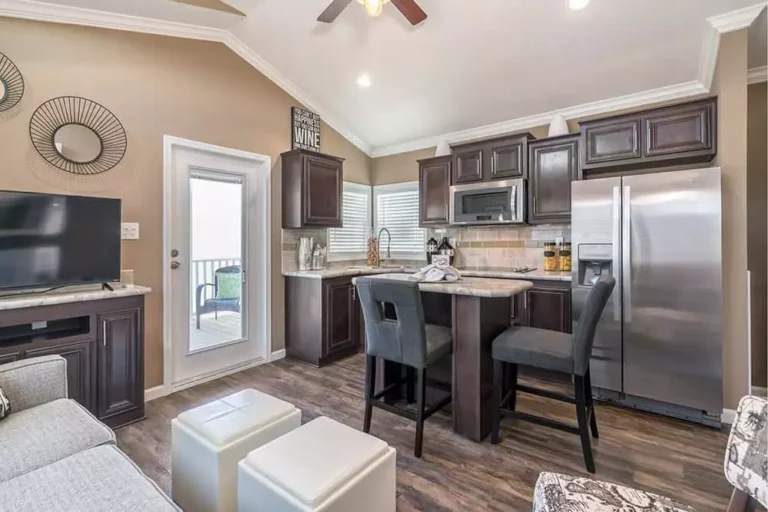
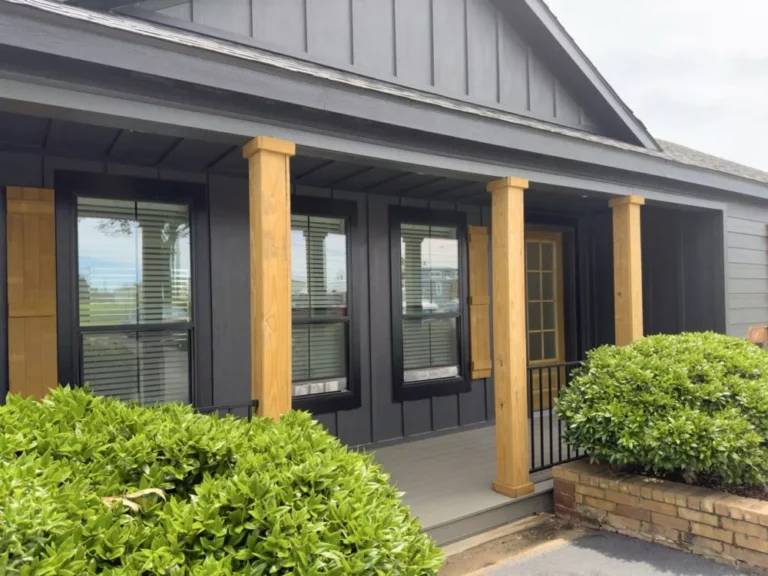
Modular homes are prefabricated structures built in sections at a factory before being transported and assembled on-site. Unlike manufactured homes, which are built on a chassis, modular homes are constructed to meet local building codes and offer the same durability and quality as traditional stick-built homes.
2. Benefits of Buying a Modular Home
- Affordability – Modular homes often cost less than site-built homes due to controlled factory production and reduced labor costs.
- Customization – Many manufacturers offer a range of floor plans and design options, allowing you to personalize your home.
- Energy Efficiency – Modular homes are built with modern energy-efficient materials and techniques, helping you save on utility bills.
- Faster Construction – Since construction takes place in a factory setting, delays due to weather are minimized, leading to quicker completion times.
3. How to Choose the Right Modular Home Builder
Selecting a reputable modular home builder is crucial. Here’s what to look for:
- Experience & Reputation – Research online reviews, customer testimonials, and company history.
- Quality Standards – Ensure the builder complies with state and local building codes.
- Customization Options – Check if the builder allows modifications to floor plans and interior designs.
- Warranty & After-Sales Service – Look for companies that offer warranties and post-installation support.
4. Financing a Modular Home
Modular homes qualify for conventional mortgages, but it’s essential to work with lenders familiar with this type of construction. Key financing aspects include:
- Construction Loans vs. Permanent Mortgages – Some lenders offer construction loans that convert into a traditional mortgage upon completion.
- Credit Score Requirements – Ensure your credit score meets the lender’s criteria for approval.
- Down Payment – Expect to put down 5-20% depending on the lender and loan type.
5. Understanding Land & Site Preparation
Before purchasing a modular home, secure suitable land and prepare for site development:
- Zoning & Permits – Check local zoning laws and obtain necessary building permits.
- Foundation Requirements – Modular homes typically require a solid foundation, such as a basement or crawl space.
- Utility Connections – Plan for water, electricity, and sewage hookups.
6. Hidden Costs to Consider
While modular homes can be cost-effective, be prepared for additional expenses:
- Delivery & Installation Fees
- Land Preparation Costs
- Upgrades & Customization
- Permit & Inspection Fees
Final Thoughts
Buying a modular home is a fantastic way to achieve homeownership with flexibility, efficiency, and affordability. By researching builders, financing, land requirements, and hidden costs, you can make an informed decision that best fits your needs. Ready to explore modular home options? Start your journey today!
Related Searches:
- Best modular home builders near me
- Modular home vs. manufactured home differences
- How much does a modular home cost?
- Financing options for modular homes

GreatComment Creation Guide breakdown of the key considerations before buying a modular home. I especially appreciate the emphasis on understanding how modular construction differs from traditional builds—it’s something many buyers overlook. It might also be helpful for future posts to touch on zoning or land prep, since those can be unexpected hurdles for first-time buyers.
Great breakdown on what to look into before goingComment Creation for Blog modular! I especially appreciate the emphasis on understanding the construction process—so many people assume it’s the same as a traditional build. Doing that upfront research really does make all the difference in avoiding surprises later.
I appreciate how this post highlights the importance of understanding modular home construction—too many people assume it’s the same as traditional builds. Doing homework on builders can really make or break the experience.
Appreciate the breakdown of what to research—especially around the builder. People often focus on design and overlookModular Home Comment Suggestions construction standards and warranties, which can really affect long-term satisfaction with the home.
Great breakdown of what makes modular homes unique. One thing I found helpful in my own research was checking local zoning laws early—saved me from a few headaches down the line.
This is a great reminder that buying a modular home isn’t just about aesthetics—it’s about understanding the process behind the walls too. I especially appreciated the point about researching the builder thoroughly; it’s easy to overlook, but it makes a huge difference in the long run. Doing your homework upfront really sets the tone for a smoother experience later.
Choosing the right builder feels like one of the most overlooked yet critical steps in the modular home process. I’ve found that builder transparency and past customer feedback make a huge difference when it comes to confidence in the final product.